

Selling a Home
Understand the home. Position it well. A seller's guide for Mercer Island, Seattle, Bellevue, Kirkland and the Eastside.
A listing shows a home at its best. For a seller, the better question is what the home actually is, how buyers are likely to see it, and what, if anything, is worth doing before it comes to market.
This guide covers preparing, pricing and launching a home, comparing offers, and what happens through closing. It's written for sellers on Mercer Island and across Seattle, Bellevue, Kirkland and the Eastside, and the thinking applies in all of them. Use what's helpful, and call or text Will whenever you'd like to talk through your own home.
Curious what your home might sell for? Request a home valuation
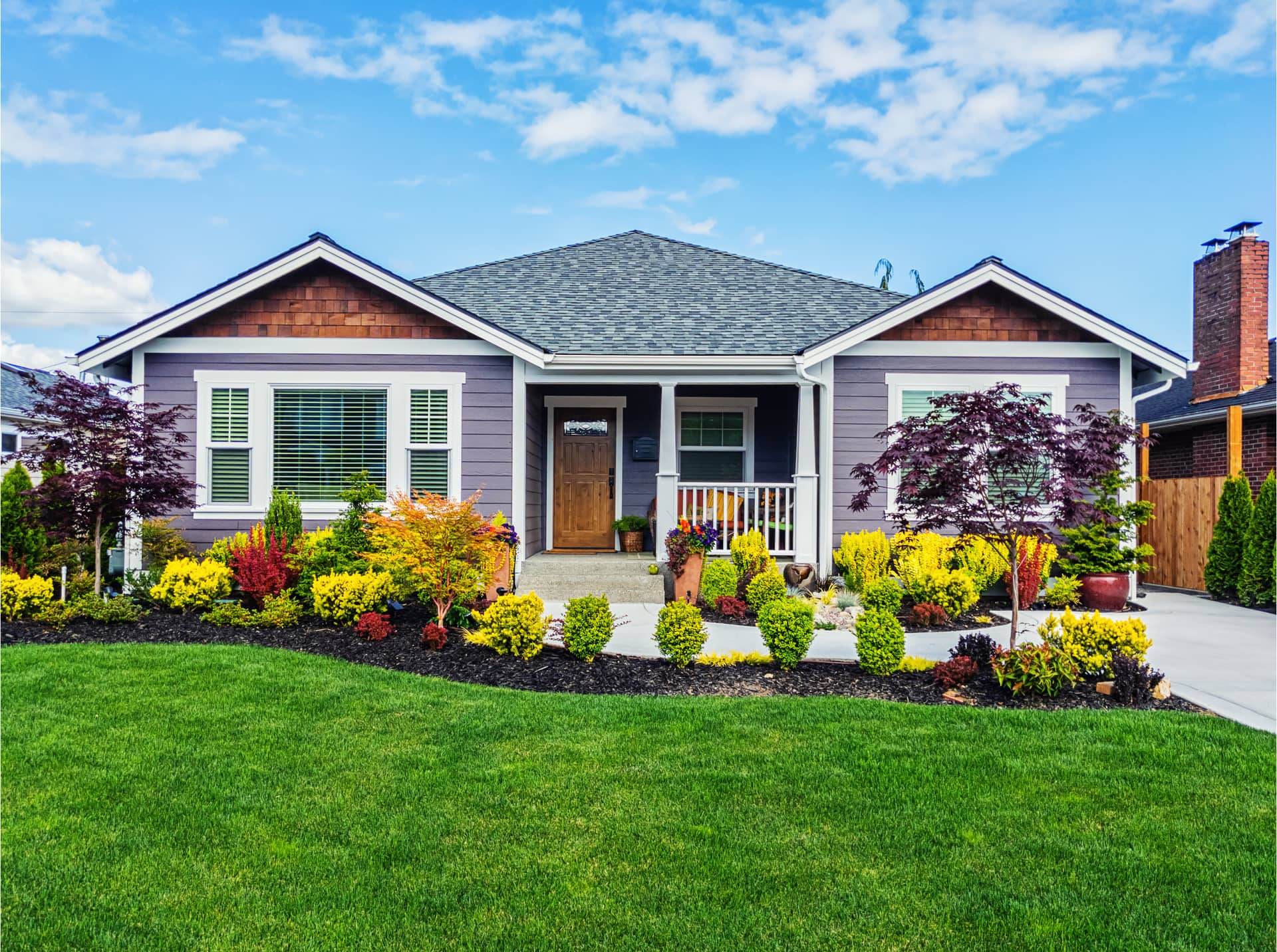
Where to start before you list
Before deciding what to change, understand what you have. A good first walkthrough looks at the house two ways: how it was built and maintained, and how a buyer will experience it on a first visit.
That means condition and upkeep, what has been updated, signs of deferred maintenance, and also light, layout, how the home lives, and what the lot, privacy, view or architecture offer that buyers can't easily find elsewhere.
Cosmetic questions differ from the ones that affect value or confidence. A dated finish isn't necessarily a problem, and an older home can have great bones, character and a layout buyers respond to. What matters more is a collection of small maintenance items, undocumented work, or anything that makes a buyer wonder what else is going on.
Your goals matter as much as the house: your timing, what you hope to achieve and how much work you want to take on. From there the question is what's worth repairing, what's worth refreshing, what needs more information and what's better left alone, not a long list of projects.
Checklist: Before you list
- What condition is the home in, and how has it been maintained?
- What has been updated, and what hasn't?
- What would a buyer notice in the first few minutes, inside and out?
- What are the real selling points: lot, light, privacy, view, layout, location?
- Is there work, history or documentation a buyer will ask about?
- What are your goals and timing, and how much work do you want to take on?
Repair, refresh or leave alone
Almost every home could be improved. The better question is whether an improvement will change how buyers value or respond to the home.
Start with the small, obvious things: broken hardware, damaged trim, worn caulking, stained carpet, tired touch-up paint, poor lighting, overgrown landscaping. They're inexpensive to fix and easy to notice. One rarely matters. Ten can tell a story you don't want the house to tell.
That's different from a home that is simply dated. An older kitchen or bathroom can still work when it's clean, cared for and suits the house, and original character is sometimes part of the appeal. Where the real value is in the lot, light, views, privacy or layout, there's little reason to disguise every cosmetic imperfection.
So the highest-impact, lowest-friction work comes first: cleaning, decluttering, landscaping, lighting, paint where it truly helps and minor repairs. The goal is a home that feels cared for and easy to say yes to, not one that looks as though every surface was redone.
Guide: Repair, refresh or leave alone
| What you notice | What it usually is | A sensible approach |
|---|---|---|
| Broken hardware, worn caulking, damaged trim, stained carpet | Small items, cheap to fix and easy to notice | Usually repair before listing |
| Clutter, poor lighting, overgrown landscaping, tired touch-up paint | Presentation more than condition | Usually clean up, edit and refresh |
| Finishes that are dated but clean and cared for | A matter of taste and age | Often leave alone, and let the pricing reflect it |
| Cosmetic flaws on a home whose value is in the lot, views, privacy or layout | Qualities buyers may weigh more heavily | Usually leave alone |
| A larger project, such as a kitchen or bathroom remodel | Real cost, time and risk | Only if the market is likely to reward it |
A condition that could change buyer confidence is its own category: something that needs understanding before you decide anything. For the fuller decision framework, see What should I fix before selling?
Should you remodel before selling?
Larger projects have to clear a much higher bar than small repairs. A remodel is more than the visible result and the cost of materials. It can involve coordinating trades, sequencing, permitting where it applies, hidden conditions that only appear once something is opened up, and schedule risk.
That doesn't mean a bigger project is never worth it, only that it needs a clear reason. Modest work, like paint, lighting, landscaping and repairs, often does more without turning preparation into a remodel.
Questions: Before you take on a larger project
- Is this something buyers are likely to penalize heavily if it's left alone?
- Is the project likely to improve the sale price or marketability enough to justify the cost, time and risk?
- Is there a simpler way to improve how buyers see the home?
- Are you fixing a real problem, or replacing something because it's dated?
If buyers can understand a condition, price accordingly and still see value in the home, a major pre-sale project is often unnecessary. Questions about scope, cost and permits are best answered by the right contractor, architect or the city.
What to understand about your home before buyers ask
Buyers typically want to understand a home's condition, so it often helps to go to market informed. The aim isn't to hunt for problems. It's to avoid preventable surprises.
For many resale homes, a pre-listing inspection is worth considering. It shows you the condition before a buyer does, so you can decide what to address, what simply needs to be understood or documented, and what to leave for a buyer to evaluate. It can also make a home easier for a buyer to feel comfortable with, and depending on the property and the offers, some buyers may be more comfortable shortening or waiving an inspection contingency. That's not something to count on, and an inspection isn't right for every home or seller.
A useful test: if a buyer finds this later, will you wish you had understood it better before listing? If so, that's when the right specialist, whether an inspector, contractor, engineer or another professional, is worth involving early. For a closer look at a specific concern, such as foundation, drainage or a retaining wall, see Home & Property Help.
Triage: What you know about the home
| What you have | What it usually means | A sensible next step |
|---|---|---|
| Ordinary maintenance | Normal upkeep for the age of the home | Handle it, or let it be understood |
| Something already resolved | A past issue with a fix | Gather the documentation that exists |
| A documentation gap | Work was done, but records are thin or missing | Find what you can, and consider who could confirm it |
| A condition that could change price or how a buyer evaluates the home | A question that materially matters | Get the right specialist's view before listing |
Questions about what you must disclose belong with your attorney and your brokerage's guidance.
Pricing and positioning
Pricing isn't finding one right number. It's a judgment about how a particular home should be positioned so the right buyers understand its value and are motivated to act.
Comparable sales are the starting point, but only fair comparisons help. Nearby homes of similar size can still be different products: a better lot, views, layout, newer systems, condition or a stronger remodel all change what a buyer will pay, as do light, privacy, finishes, how well improvements were done and how much work a buyer will feel is left to do.
Who the likely buyer is matters too. One cares most about turnkey condition, another about land, views, privacy, one-level living or more house for the money, and each compares your home against different alternatives. So look beyond closed sales to what a buyer can purchase today at a similar price, what has been sitting, what has had price reductions, what is going pending quickly, and the property's own price history. A long time on market or several reductions doesn't mean a house is bad. It may mean the original positioning didn't match how buyers saw the value.
It helps to separate the house from the marketing story. If the value is in the land, condition, waterfront, views, privacy or redevelopment potential, that feature has to be real and significant enough to support the price. Every home has tradeoffs, and a good test is whether you can say clearly what it offers, what it lacks and why the right buyer would still choose it at that price.
Your priorities shape the range. Where to start within a reasonable range depends on your goals and your tolerance for uncertainty. The first weeks of buyer attention matter, and positioning a home where buyers can see its value isn't the same as choosing the highest number. If your expectations and the evidence differ, you deserve a straightforward conversation, with the sales, competition and condition differences laid out, not only what's pleasant to hear.
Questions: Pricing and positioning
- Which recent sales are truly comparable, in condition, lot, location, layout and finish?
- What can a buyer purchase today at a similar price, and how are those homes performing?
- Who is the most likely buyer, and what will they compare this home against?
- What does the home offer that buyers can't easily find elsewhere, and what does it lack?
- Does any of the value depend on something that still needs to be verified?
- What does the price history, if there is one, tell us?
- What are your priorities, and your tolerance for the home taking longer?
- Would the price still make sense to a buyer who has seen the alternatives?
Preparing the home and choosing when to launch
Preparation works best when it's specific to the property. Not every home needs the same work or the same vendors, and the point isn't to do something simply because it could be improved. Once you understand the home, its likely buyer and how it will be positioned, decide what preparation will actually make a difference.
Depending on the home, that can involve a painter, landscaper, cleaner, handyman, window cleaner, stager, photographer and, where appropriate, a contractor or another specialist. Start with the basics: cleaning, decluttering, small repairs and lighting. Landscaping and the approach matter because buyers form an opinion before they reach the front door. Staging is property specific too: sometimes full staging helps, and sometimes the answer is editing, rearranging and supplementing what you already have.
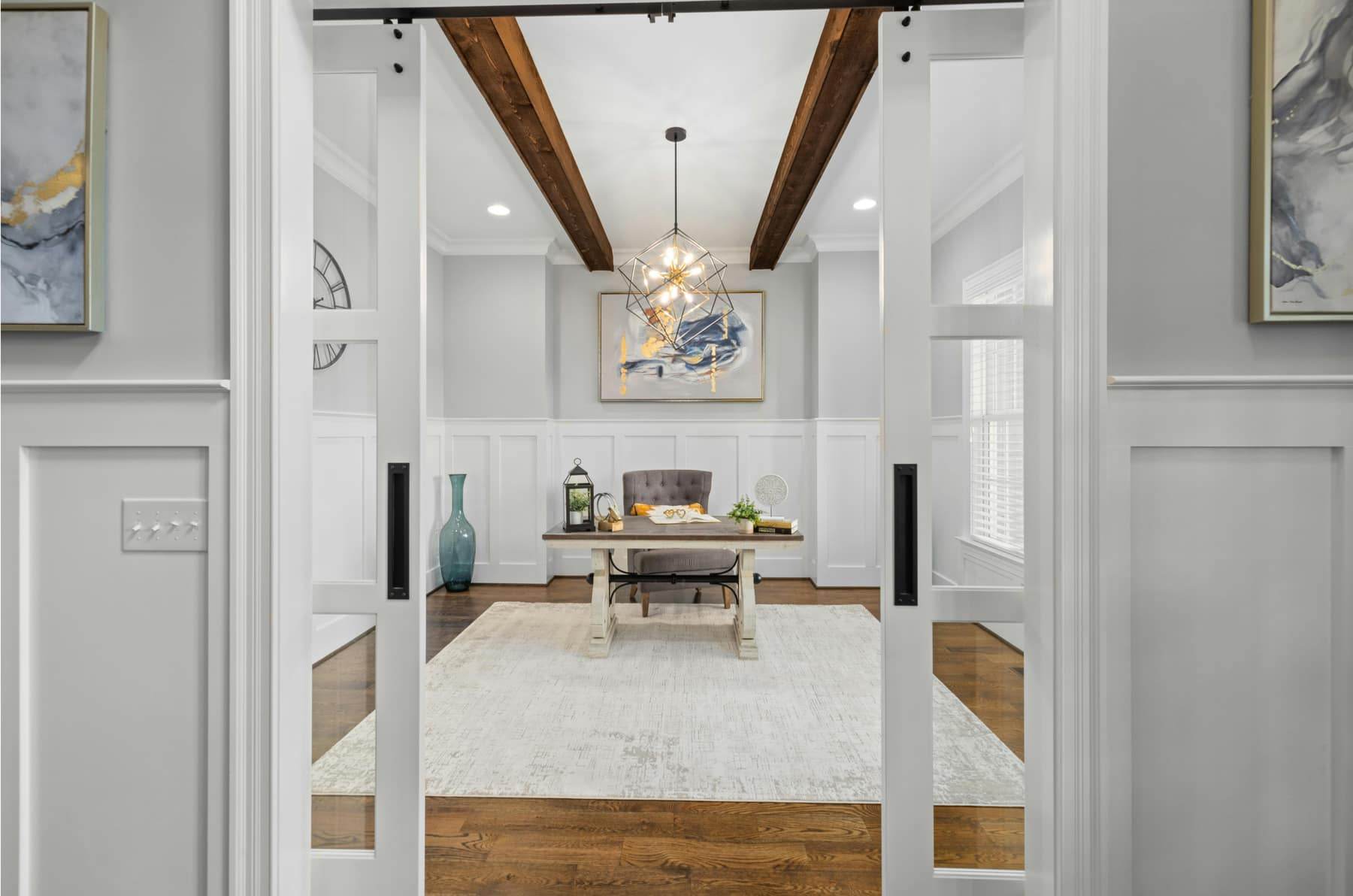
Preparation should be essentially finished before photography. Photographing first and fixing later means the photographs, any video, the listing and the first showings don't show the home that's actually on the market. How much preparation makes sense also depends on the home. A property where buyers expect polish may justify more than one whose value is the lot, location or future potential, and there is always one more thing that could be improved.
What buyers will notice
- The approach and front door, before anyone walks in
- Light, windows and lighting
- Layout and how the rooms flow
- Clutter and personal belongings
- Landscaping and the exterior
- Small repairs, and the condition of floors, paint and trim
Checklist: By launch day
- The repairs you decided mattered are done
- The home is clean and decluttered, with personal items put away
- Landscaping and the approach are ready
- Staging and furniture are set, and the lighting works
- The photography, and video if used, shows the finished home
- Any inspection or property information you've chosen to share is organized
- Pricing and positioning are settled
- You know what the showing process will look like
When to launch
Timing is supply and demand more than a calendar rule. Spring often brings more buyers and more competing homes. Quieter seasons can mean fewer of both. Neither is automatically better, and your readiness, the home's readiness and the competition at the moment matter more than the calendar alone.
If a few weeks would let you finish important work, resolve an open question or present the home much better, waiting can make sense. But don't put off a good opportunity just because another season is traditionally thought to be better. More buyers also means more competition.
From launch to closing
Once the home goes live, the work shifts from preparation to feedback, decisions and execution. Keep the home show-ready, and know in advance how showings work, how much notice you may get, what open houses are planned and how activity will be communicated.
The first days and weekends bring real market feedback: how quickly showings are scheduled, what agents say, whether buyers come back, and whether the same objection keeps coming up. One comment isn't a trend, but a repeated one matters.
Acceptance isn't the finish line. A buyer may raise inspection questions or ask for repairs or credits, financing and the appraisal still have to be completed, and title, escrow and possession need attention. Not every request is a crisis, not every appraisal question ends a deal, and not every buyer question means the sale is in trouble. What matters is understanding what is happening, what the real risk is, what your options are and which decision best protects your overall outcome.
Sequence: From launch to closing
-
Launch and showings
- What's happening
- The home goes live
- What to keep in view
- Keep it show-ready
-
Market feedback and buyer interest
- What's happening
- Showings, comments and second looks come in
- What to keep in view
- Separate repeated feedback from one-off comments
-
Offers and negotiation
- What's happening
- Offers arrive and terms are discussed
- What to keep in view
- Compare the whole offer, not just the price
-
Mutual acceptance
- What's happening
- You and the buyer agree on terms
- What to keep in view
- Acceptance begins the next phase
-
Inspection or other buyer diligence, if applicable
- What's happening
- The buyer evaluates the home
- What to keep in view
- Not every request is a crisis; know your options
-
Appraisal and financing, if applicable
- What's happening
- The buyer's lender reviews the purchase
- What to keep in view
- Stay aware of where the lender is
-
Title, escrow and agreed follow-up items
- What's happening
- Documents, repairs or credits are completed
- What to keep in view
- Keep agreed items on track
-
Final walkthrough, signing and closing
- What's happening
- The buyer does a final check and papers are signed
- What to keep in view
- Make sure agreed items are done
-
Possession and handoff
- What's happening
- The home changes hands
- What to keep in view
- Know the move-out and possession timing
Comparing offers
When offers come in, it's tempting to compare prices and stop. But the highest number matters only if the offer is likely to close at that number and on those terms.
Look at the whole offer and at what matters most to you. Some sellers want the strongest price and accept more risk. Others care more about certainty, a closing date, flexibility after closing or reducing the chance the sale falls apart. Those priorities can change which offer is strongest.
Framework: Comparing offers
| What to compare | Why it matters | A question to ask |
|---|---|---|
| Price | The headline, but only part of the picture | How believable is it for this home in this market? |
| Financing and down payment | Affects how reliably the offer reaches closing | How much is the buyer putting down, and how well qualified are they? |
| Appraisal | A financed offer well above where the market appears to be can create a renegotiation point if the appraisal does not support the contract price | What happens if the appraisal comes in low? |
| Inspection | A broad contingency can give the buyer another chance to renegotiate after acceptance | What can the buyer ask for, and for how long? |
| Earnest money | One signal of the buyer's commitment | How much is it, and what are its terms? |
| Closing date and possession | Whether the timing fits your plans | Does it work with your move? |
| Home sale or other contingencies | Each is another way the sale could change | Does the buyer need to sell another home first? |
| Unusual terms or requests | They can add uncertainty | What could this change later? |
| Overall certainty | The offer's ability to reach the finish line | What could happen between acceptance and closing? |
| Your priorities | What you care about most | Is it price, certainty, timing or flexibility? |
No single factor is automatically better. A cash offer can reduce some financing risk, but it isn't automatically stronger, since price, contingencies, timing, earnest money and flexibility still count. When one offer is higher but gives the buyer more ways to renegotiate or walk away, and another is slightly lower but cleaner and more certain, there's no automatic answer. The goal is the strongest overall outcome, not only the biggest number.
Contract questions belong with an attorney, and financing questions with the buyer's lender. If terms like contingency, earnest money or seller concession aren't familiar, the glossary has plain-English definitions.
Older, waterfront and complex properties
Mercer Island has a wide range of housing, including many older homes that have been remodeled or added onto over the years. Waterfront homes, sloped lots and mature trees are part of the picture too, as they are across Seattle, Bellevue, Kirkland and the Eastside.
None of that makes a property a problem. Age, a slope, a shoreline, an addition or a large lot are simply things a serious buyer will ask about. What matters is what's there, what has changed, what's documented and what a buyer will want confirmed.
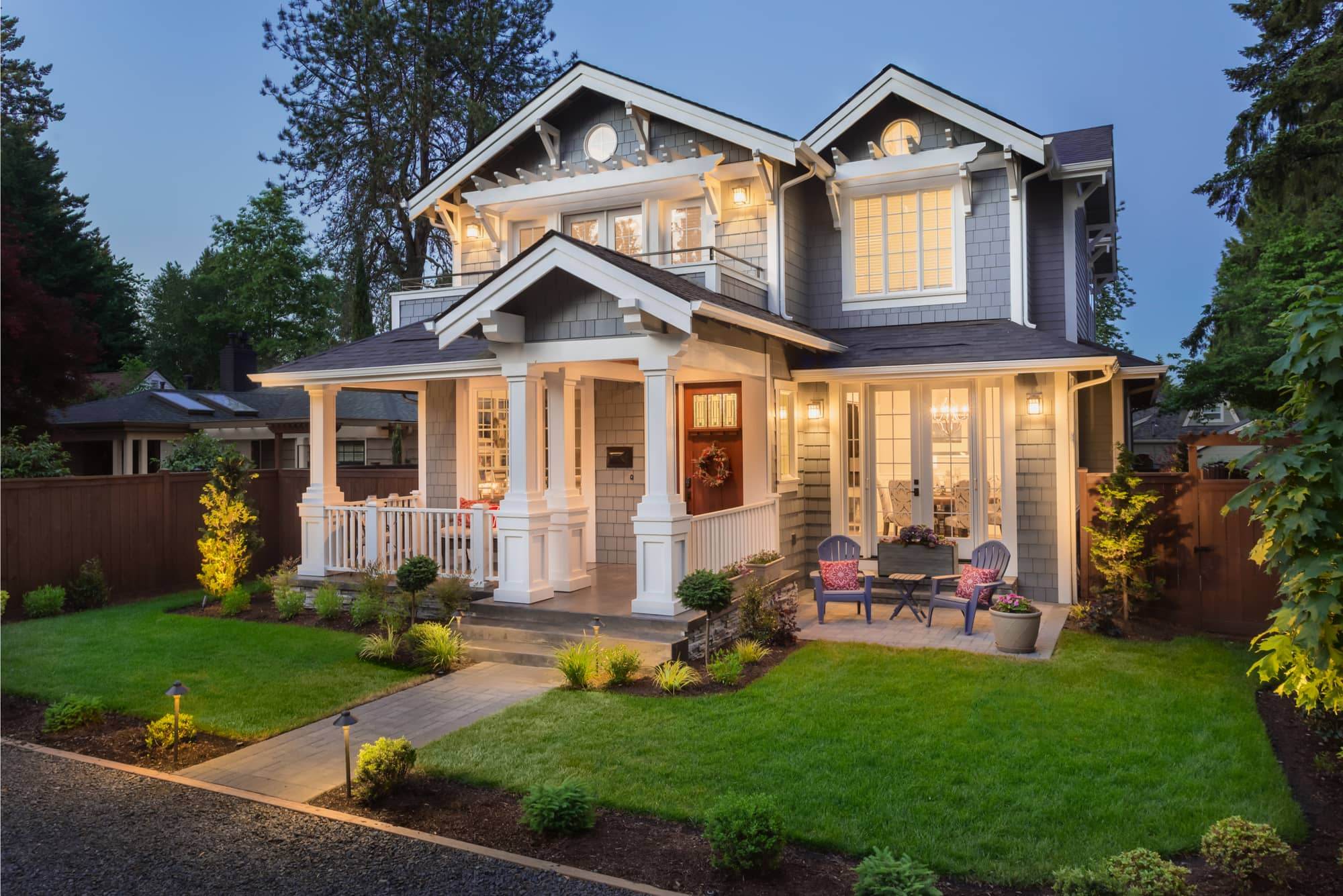
It helps to sort the questions into three groups:
- Things you already understand.
- Things that are unresolved but probably manageable.
- Things important enough to verify before going to market.
An open question isn't a red flag. Sometimes the answer is reassuring, sometimes it changes how the property is positioned, and sometimes it means a buyer will need to do their own diligence. What you want to avoid is presenting an assumption as a verified fact.
That matters most when future potential is part of the value. A large lot, an older house or a waterfront location doesn't automatically mean a certain home can be built, and a remodel doesn't add value just because money was spent on it. If an addition or redevelopment is part of how a home is priced or marketed, there should be enough information to know what can responsibly be said. Possibility isn't feasibility.
Waterfront adds another layer, because buyers evaluate more than the house: the shoreline, any dock or moorage, access, privacy and how usable the lot is. Separate what's assumed from what's documented. A dock approved years ago doesn't automatically show that today's dock matches the approval, and if frontage matters to the value, a current survey may say more than an old estimate. Slopes, drainage, retaining walls, trees, utilities and easements work the same way. None is automatically a problem, but each can touch access, drainage or future plans, and questions about stability belong with the right specialist.
Guide: If this question matters to your property, consider…
Not every home needs all of these. They're examples of information or specialists that may help if the question matters for your property.
| If the question is | Information or a specialist that may help |
|---|---|
| What was done, and when, for an addition, remodel or structural work | Permit records, plans, engineering or as-built records; a contractor or architect |
| Whether the work matches the records | Permit and as-built records; an inspector, contractor or architect |
| Where the boundaries, shoreline or frontage actually are | A survey |
| Whether a recorded right, shared access or utility line affects the property | Title and easement information; utility records |
| Drainage, retaining walls or past water work | Documentation of repairs; an inspector, contractor or engineer |
| Slope, foundation or structural history | A structural engineer or geotechnical professional |
| Waterfront structures such as a dock or bulkhead | Records, and a qualified specialist |
| Large trees near the house or building area | An arborist |
| What could be built or changed in the future | An architect, the city's process and the sources above, before treating it as fact |
These are questions to answer for your specific property, not rules of thumb.
Seller representation on Mercer Island and the Eastside
Will Russell is a Broker with Real Residential and a founding member of the firm's Mercer Island office, with more than two decades of experience spanning real estate, construction, remodeling, and project management. A builder's eye. A broker's focus.
The builder's eye helps Will ask better questions about a property: looking past finishes, telling cosmetic issues from questions that deserve more information, understanding the cost, sequencing and risk behind preparation work, and recognizing when a specialist or primary source should answer. The broker's focus keeps those questions tied to your preparation, value, positioning, negotiation and risk, and includes organizing the people involved around your goal and telling what's possible from what's verified.
Will is not acting as your contractor, inspector, architect, engineer, surveyor, appraiser, attorney, tax adviser or other technical professional. He's there to recognize the questions early, help you understand why they matter and bring in the right person.
Ready to talk it through?
A short conversation is an easy way to start, whether you're thinking about selling soon or just beginning to understand your options.