

Buying a Home
Look past the listing photos. A buyer's guide for Mercer Island, Seattle, Bellevue, Kirkland and the Eastside.
A listing shows you a home at its best. The real question is what the home is: how it was built, how it has been looked after, what it will need, and what it could become.
This guide helps you look at both. It's written for buyers on Mercer Island and across Seattle, Bellevue, Kirkland and the Eastside, and the thinking applies in all of them. Take what's useful, then call or text Will whenever you want to talk it through.
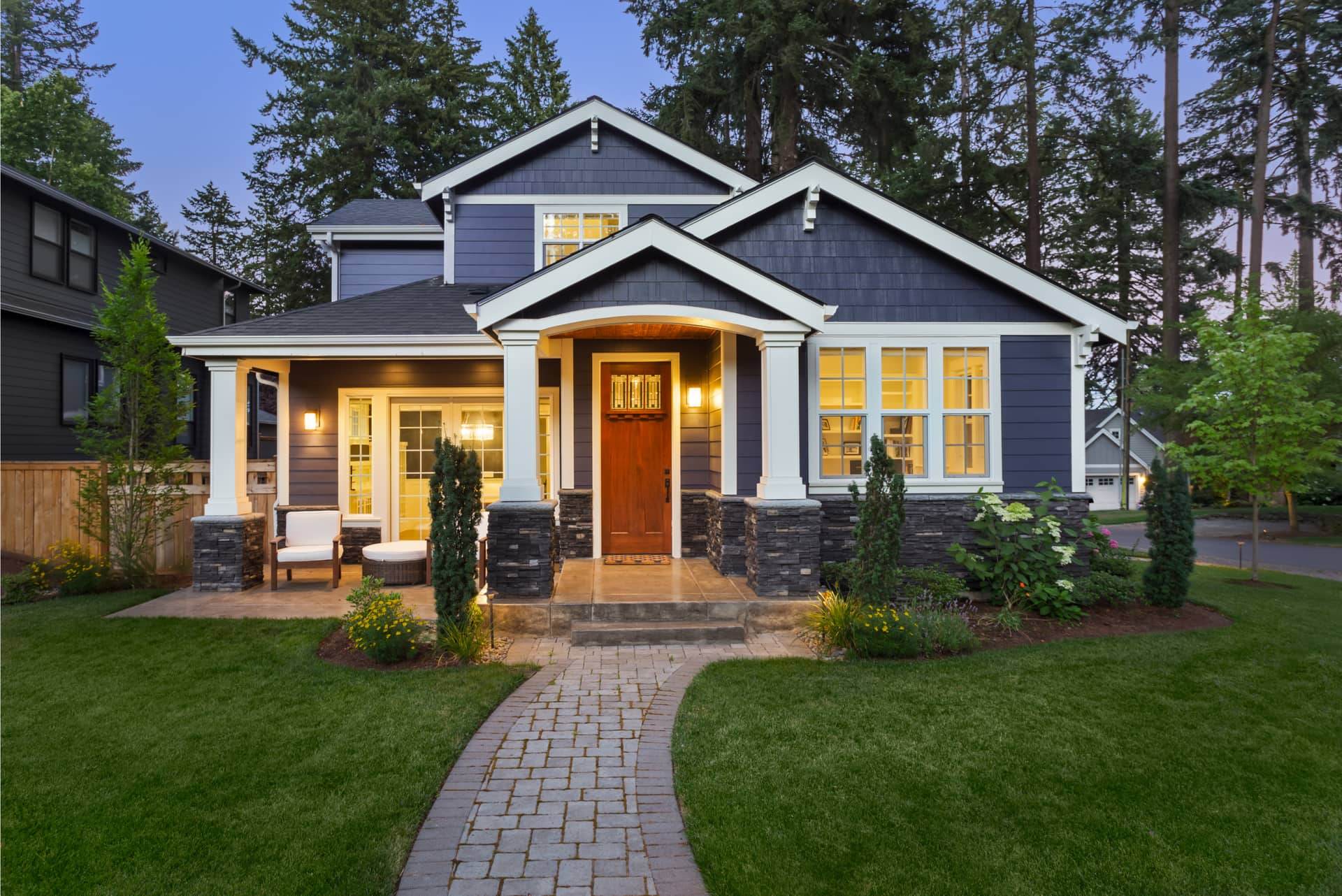
Is it actually a good value?
Price tells you what a seller is asking. Value is what you get for it: the condition, what it will cost to bring the home where you want it, and what the lot and location allow.
Comparable sales help, but only when the comparison is fair. A freshly renovated home and an original-condition one can look alike on paper and be very different purchases. The goal is to understand that gap before you decide on a number.
Checklist: Beyond the Listing
- Are the comparable sales really comparable, in size, age, condition, lot and location?
- What condition is the home actually in, apart from how it's presented?
- What might the first few years cost, such as deferred maintenance or systems near the end of their life?
- What could the home become, and is that realistic? (See the remodel questions below.)
- What can't you change: the lot, the orientation, the neighbors, the noise?
- Would the price still feel right with the staging removed?
- Does the listing history tell you anything: time on market, price changes?
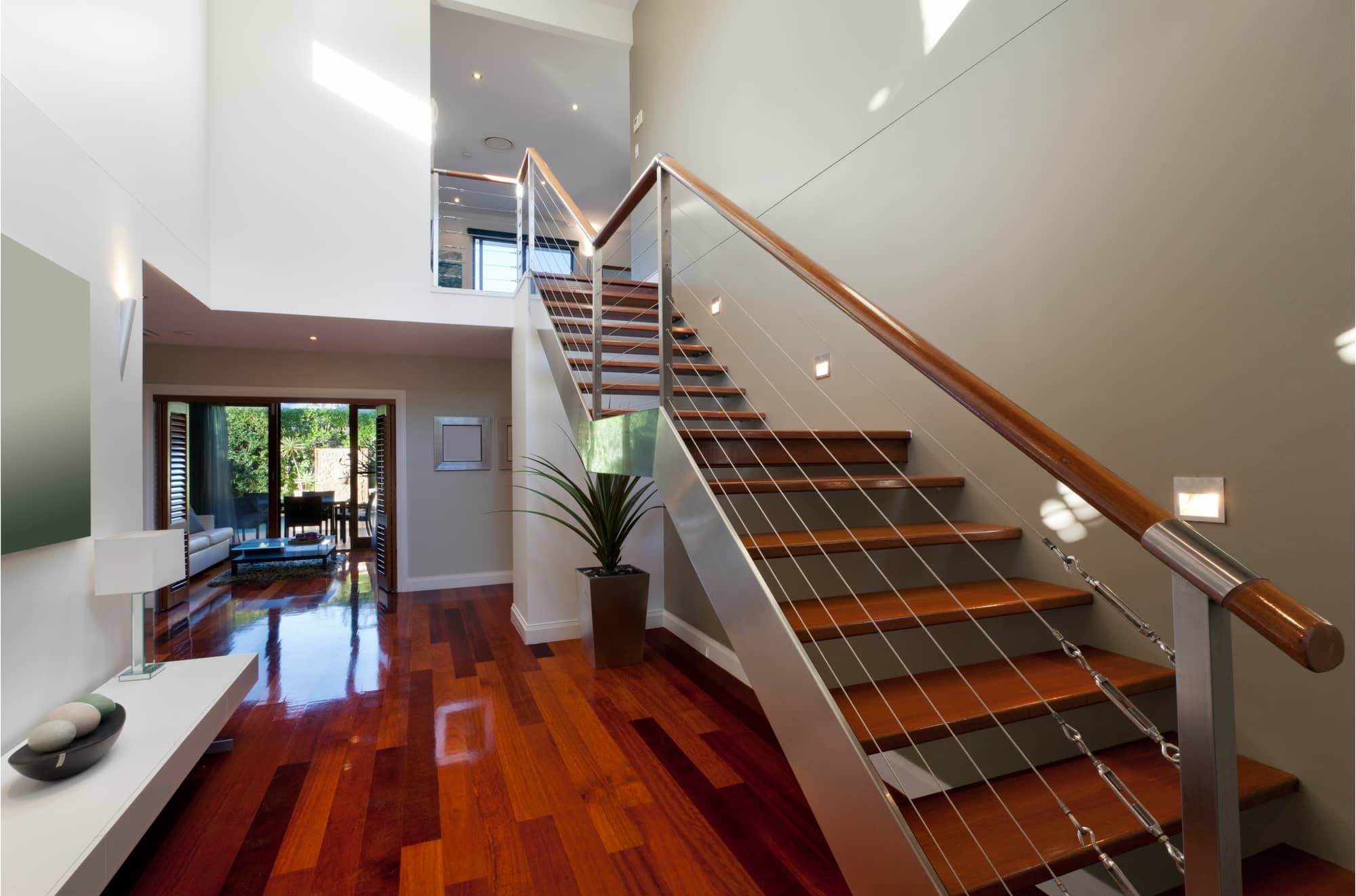
Look past the finishes
Paint, flooring and furniture are the easiest things to change, and the easiest to be swayed by. What's costly to fix is usually out of sight: structure, water, systems and the site.
Checklist: What to look for beyond finishes
- Structure: sloping floors, sticking doors, cracks, and what the foundation and framing show.
- Water: the roof, gutters, signs of past leaks, where rainwater goes, any dampness or odors in a basement or crawl space.
- Systems: the age and type of the electrical panel and wiring, plumbing materials, heating, the water heater and the sewer line.
- The site: grading, retaining walls, slopes, big trees close to the house.
- Past work: the quality of earlier renovations, and whether anything is documented.
- Day-to-day life: light, flow, storage, and how the house will fit the next several years.
This is where a builder's eye helps: noticing what a surface might be covering, and knowing which question to ask next.
Making sense of an inspection
Most inspection reports are long, and that's normal. A long report doesn't mean a bad house. The skill is sorting the findings by importance and deciding what to do about each one.
Triage: What your inspection is telling you
| What you find | What it usually means | A sensible next step |
|---|---|---|
| Safety or structural concerns, such as active water, foundation movement, or electrical or gas hazards | Possibly serious or costly | Have the right specialist take a look before you decide how to proceed |
| A major system near the end of its life (roof, furnace, water heater, sewer line) | A replacement is coming | Price it in, and talk through whether to raise it |
| Maintenance items | Ordinary upkeep | Budget for it |
| Cosmetic items | A matter of taste | Usually plan around it |
| “Further evaluation recommended” | The inspector found something they can't settle | Usually worth a specialist's look before your inspection period ends |
Deadlines matter here, and Will can walk you through how the timeline works in your purchase.
Could you actually remodel it?
It's easy to picture the version of a house you'd love. Sometimes that version is simple, sometimes it's costly, and sometimes it isn't possible. It's much better to know before you offer.
Questions: Before you assume you can remodel
- What exactly do you want to change, and is any of it structural?
- Does the lot suit it, in size, shape, slope and access?
- What do your city's rules mean for it? Permitting, trees, setbacks and similar topics vary by city, and they can decide what's possible.
- Has earlier work been permitted and finished?
- What does the home's age suggest about the walls, wiring and plumbing you'd open up?
- Does your plan depend on a view, a tree or another feature that building could change?
- What would an architect or contractor need to confirm before you rely on the idea?
- What budget range feels right, with room for surprises?
Questions like these are worth answering for the specific property, not by rule of thumb.
Who to call, and when
Will is a broker, not an inspector, engineer, architect, contractor, attorney, lender or tax adviser. What he brings is the experience to recognize when a specialist is needed, and the judgment to help you ask for the right thing.
Guide: If you see this, consider asking...
| If you notice | Consider asking |
|---|---|
| Cracked foundation, sloping floors | A structural engineer |
| A sloped lot, retaining walls, signs of ground movement | A geotechnical engineer |
| An older sewer line, tree roots, slow drains | A sewer-line camera inspection |
| Old or unusual wiring or panel | A licensed electrician |
| An aging roof | A roofer or roof inspector |
| A remodel or addition idea | An architect and a contractor, early |
| Large trees near the house | An arborist |
| Musty smells, moisture or mold | A moisture or environmental specialist |
| Signs of pests | A pest inspector |
| A dock, bulkhead or other shoreline structure | A qualified marine or coastal specialist |
| Questions about permits or the contract | The city's records, an architect, or an attorney for legal questions |
Have a question about a crack, a drainage issue, a retaining wall or another property condition? Home & Property Help walks through what it may involve and what kind of professional usually handles it.
Older homes, waterfront and complex properties
Mercer Island has a wide range of housing, including many older homes that have been remodeled or added onto over the years. Age on its own isn't a negative. What matters is understanding what's original, what has been updated, what may need attention, and what that means for your plans.
When Will looks at an older home, he starts with how it has been maintained and changed over time: signs of water or drainage trouble, foundation or structural concerns, older electrical or plumbing, the condition of the roof and exterior, retaining walls or slopes where they apply, and whether earlier remodels look well done and well documented.
Some properties are simply more complex: waterfront, steep lots, shared access, view homes, and houses with several additions. They can be wonderful, and they tend to call for more specialists, more time and more patience. Financing and insurance can also work differently on them, so it's worth asking your lender and insurer early.
Shoreline conditions, slopes, trees, permitting and redevelopment can all shape what you can do with a property. They deserve a close look for the specific property, not a rule of thumb. For a closer look at what to pay attention to, see What should I look for when buying an older home?

Choosing a location
Start with your own list: commute, lot and outdoor space, the age and style of the home, noise, how you get around, the places you use every week, and what you want to spend. Rank it, then compare areas on those terms.
Mercer Island, Seattle, Bellevue and Kirkland each have their own city processes, which matters if you plan to build or change anything. Will will help you compare places against your priorities and won't steer you toward or away from any neighborhood.
Start with our own area guides, or take a look at Real Residential's community guides for a broader feel for day-to-day life in each place.
Preparing for competitive offers
You can't control the market. You can control how ready you are when the right home appears, and that's most of the battle.
- Prepare before the house shows up. Talk to a lender early so you know your real range, and have your questions and your specialists lined up.
- Decide your limits in advance. The price, and the conditions you won't give up, are easier to set when you aren't racing a deadline.
- Know what you're giving up. The right amount of risk depends on the property, the competition, your financial position and how comfortable you are with the unknowns. Before you shorten or waive a contingency, you should understand exactly what that gives up. Sometimes buyers choose to accept more risk, and that's fine when it's a deliberate choice rather than pressure.
- Aim for the strongest offer you're comfortable with. Not the strongest offer possible, and not simply winning. It should be one you'll still feel good about after you move in.
Contract questions belong with an attorney, and financing questions with your lender. If terms like contingency, earnest money or escalation clause aren't familiar, the glossary has plain-English definitions.
Mortgage Rates Today
A quick look at national average mortgage rates. Updated daily.
Rates shown are national averages for general informational purposes. Actual rates and terms vary by borrower, property and lender.
Buyer representation on Mercer Island and the Eastside
Will Russell is a Broker with Real Residential and a founding member of the firm's Mercer Island office, with more than two decades of experience spanning real estate, construction, remodeling, and project management. A builder's eye. A broker's focus.
He works with buyers on Mercer Island and across Seattle, Bellevue, Kirkland and the Eastside.
Ready to talk it through?
A short conversation is an easy way to start, whether you're just beginning to look or already have a home in mind.